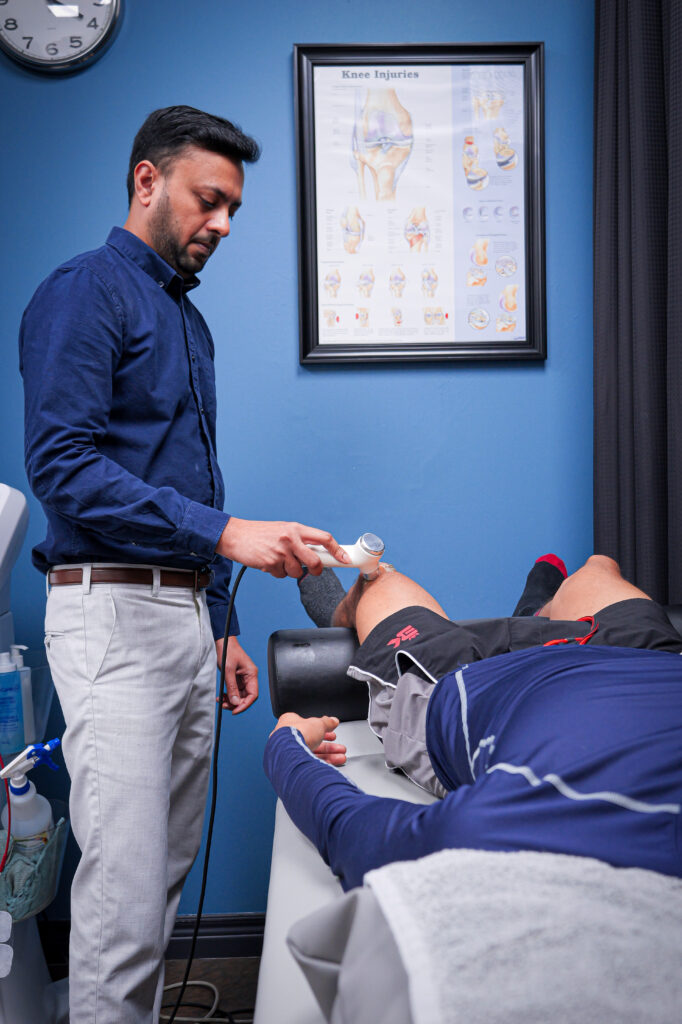
We offer tailored treatment plans designed to address your specific needs and goals. We focuses on restoring movement, function, and overall well-being, going beyond symptom relief. We educate and empower you with knowledge to prevent future injuries and optimize your health.
Our Physiotherapy Services
For back pain, neck pain, joint injuries, and postural correction.
Get back in the game faster with sport-specific recovery programs.
Safe and structured recovery after surgeries such as knee, hip, or shoulder operations.
Support for conditions such as stroke recovery, multiple sclerosis, or Parkinson’s disease.
Gentle, effective strategies to reduce ongoing pain and improve daily function.
Stay strong and mobile, reducing risk of future injuries.
Benefits of Physiotherapy
Relieve pain naturally without relying on medication
Improve mobility and flexibility
Speed up recovery after injury or surgery
Prevent re-injury and build resilience
Enhance athletic performance
Improve overall quality of life
Frequently Asked Questions
Quick answers to common queries about our products/services.
Browse this section for solutions to popular questions. Need help? Contact us.
Physiotherapy, often referred to as physical therapy, is a healthcare profession that focuses on improving physical function, mobility, and overall well-being. It uses evidence-based techniques and exercises to address a wide range of musculoskeletal, neurological, and cardiovascular conditions.
Physiotherapy can effectively treat a variety of conditions, including but not limited too:
Musculoskeletal injuries
Chronic pain
Post-operative rehabilitation
Neurological disorders
Sports injuries
Issues related to posture and movement
Preventive care
A typical physiotherapy session involves a thorough assessment of your medical history, a physical examination, and the development of a personalized treatment plan. Treatments may include manual therapy, exercise prescription, education, and modalities like ultrasound or electrical stimulation.
The duration of a physiotherapy session can vary but typically lasts 30 to 60 minutes. The number of sessions needed depends on the nature and severity of the issue and is determined in consultation with your physiotherapist.
Our physiotherapists offer a personalized approach to care, focusing on the individual’s specific condition and goals. We offer one to one care. They collaborate with other healthcare professionals in our clinic to provide well-rounded, patient-cantered care.
Physiotherapy isn’t just for injury or pain management; it can also enhance your overall physical well-being. Physiotherapists can provide exercise programs, ergonomic advice, and strategies to improve posture, strength, and flexibility, helping you maintain optimal health and prevent future issues.
Physiotherapy sessions are highly individualized. Your physiotherapist will assess your unique condition, taking into account your medical history and specific goals, to create a personalized treatment plan that suits your needs.
Physiotherapy can be beneficial for managing chronic conditions, such as arthritis or chronic pain. While it may not offer a permanent cure, it can help improve your quality of life, reduce pain, and enhance your ability to perform daily activities.
You can prepare for your first session by bringing any relevant medical records, wearing comfortable clothing, and being ready to discuss your medical history and specific goals with your physiotherapist. You do not need to engage in strenuous physical activity beforehand.
Yes, home exercises or activities recommended by your physiotherapist are an essential part of your treatment plan. Consistent practice of these exercises will contribute to better outcomes and quicker progress.
Absolutely. Physiotherapy is often used to rehabilitate sports injuries and can also be employed to enhance athletic performance. Physiotherapists can help athletes prevent injuries, improve strength and flexibility, and optimize their training routines.